Air Quality
We Install Various Air Quality for Denver Co
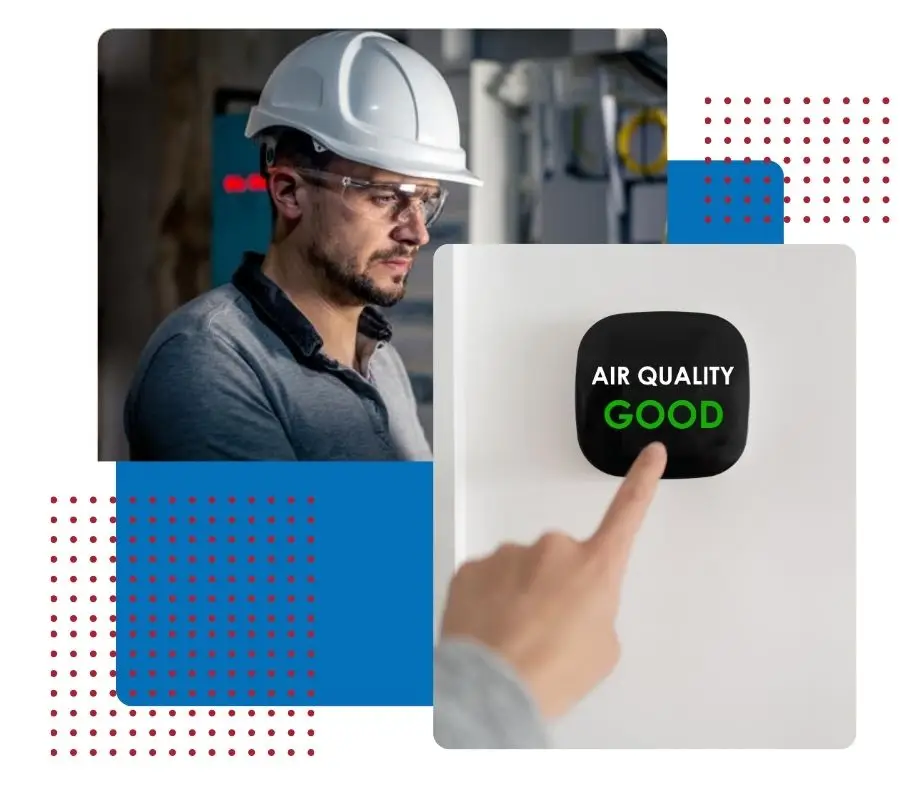
We Install Various Air Quality for Denver Co
There are several types of air conditioning systems, each with their own benefits. At Med Air Pro, here are some of the systems we install and service:
- Ductless Mini-Split: If your home does not have ductwork, this type of system is easy to install. It can cool individual areas as needed, and not rooms that you don’t use, to reduce utility costs.
- Central Units: Provide even cooling throughout the home as well as dehumidification and filtration to improve air quality. A central system can last 10 to 15 years, so you can expect long-term reliable performance.
- Window Units: Window Air Quality for Denver Co are known for their low cost, efficiency, and ease of installation. You don’t need extra floor space for them, while the units can provide air filtration and dehumidification as well.
- Heat Pumps: Draw heat from outdoor air to provide indoor heating and cooling using the same system. They use less energy than electric air conditioning units and combustion heating systems, and can last up to 15 years.
Benefits of a New Air Quality System
Modern air conditioners are more efficient and reliable than older models. If your system is over 10 years old, upgrading to an ENERGY STAR certified unit can significantly reduce utility costs and improve comfort. New systems offer better cooling, dehumidification, and filtration, enhancing indoor air quality by removing dust, pollen, and mold. Durable materials ensure longevity, providing better performance and comfort for your home.
Components of an Air Quality System
Air quality systems are complex and require professional installation. Key components include:
- Ductwork: Distributes air through vents.
- Compressors: Cool refrigerant gas for home comfort.
- Filters: Remove contaminants from the air.
- Motors: Force air through ducts and vents.
- Air Handlers: Circulate cooled air evenly.
- Evaporator Coils: Lower air temperature by drawing heat from refrigerant.
Tips for Lowering Your Cooling Costs
- Programmable Thermostat: Automatically adjusts temperature to save energy.
- Attic Insulation: Keeps cool air in and warm air out.
- Sealing Ducts: Prevents energy loss.
- Energy-Efficient Window Coverings: Reduce air escape.
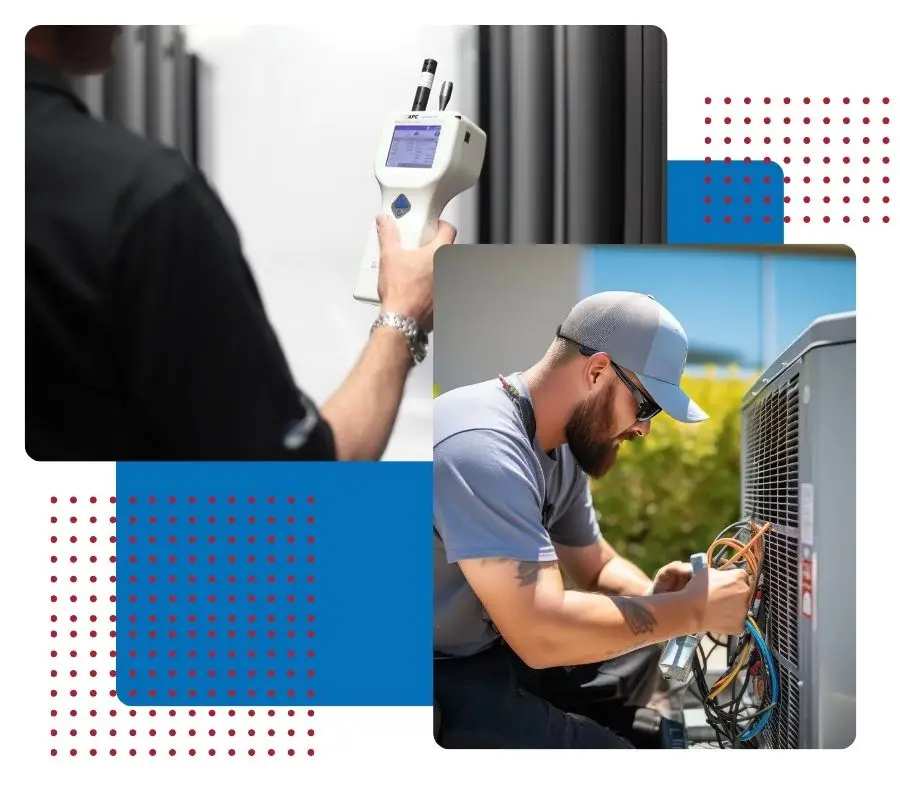
Call Today To Schedule An Estimate!
Your time is important, so we work according to your scheduling needs.
Frequently Asked Questions
The most common issues that indicate the need for air conditioning repair include refrigerant leaks, corrosion of wires and electronic components, water leaks, and dirty filters. These problems can cause issues like intermittent functioning, temperature fluctuations, a unit that refuses to turn on, an unresponsive thermostat, a system that takes a long time to heat or cool your home, and high energy bills. Most of these problems are preventable with routine maintenance and repair.
If your system runs but doesn't heat or cool well. You notice rattling, grinding or loud humming noises, air ducts and vents are noticeably dirty, your unit emits an odor, you see leaks or water puddles near the unit, or you notice a change in airflow or indoor humidity. These are all signs that you should call for air conditioner repair.
In general, an HVAC system should last between 15 and 25 years. However, it depends on the type of system you have and its maintenance history. A heating and air conditioning system that gets annual inspections and regular filter replacements will have less wear and tear on the components, which means it should last longer. How often the system runs also impacts its lifespan. For instance, if you like to keep it cold in your home during the summer with the AC running most of the time, the unit will wear out faster than if you set the thermostat several degrees warmer. Regular maintenance and inspections, along with performing AC repair when necessary, will keep your unit functioning at peak efficiency until it's time to replace it.
Common signs your heating system needs to be inspected include:
- Lasting or strange smells - When using your furnace for the first time during the year, there may be a slight smell. However, you may have a furnace issue if the scent does not go away or if an odd odor appears suddenly.
- Difficulty starting the unit or unit randomly turning off - A furnace that struggles to turn on or keep running needs attention.
- Non-blue pilot light and/or carbon monoxide detector goes off - A yellow flame can indicate that the gas isn’t getting burned off completely and producing carbon monoxide in the process. If a carbon monoxide detector shows levels of CO in your home, contact Bill Howe for professional heating and air conditioning repair.
- Low or no heat - If the system isn't heating your home quickly or at all, it's a sign that your furnace needs attention.
- Humidity - If you notice the humidity levels in your home are higher than usual or have moisture around windows or on surfaces, this is a sign that your system is not performing properly.
- Rising energy bill - A large increase in your energy bill can also mean your heater is not functioning properly.
- Furnace unusually noisy - If you hear persistent humming, rattling or buzzing noises coming from your furnace then it is time to get it repaired or replaced.
- Increased dust levels - Your HVAC system may need a cleaning or air filter replacement if you notice more dust or soot around the house while it is running.
Your furnace utilizes fuel (such as natural gas, propane, or oil) to generate heat, which is then circulated throughout your home by a blower. This hot air travels through pipes (ducts) located within floors and walls, ensuring even distribution. Before being reheated and recirculated, the cool air is filtered upon its return. This entire process is orchestrated by your thermostat, which communicates electrical signals to your furnace.